There is a fabric that, more than any other, instantly conjures up very precise images: bottle-green countryside, gentlemen with a confident stride, impeccably tailored coats and a vaguely British air. For many, Loden is exactly this. Dark green, compact, “perfect for a park stroll under a light drizzle.”
And yet, surprise, it isn’t British at all.
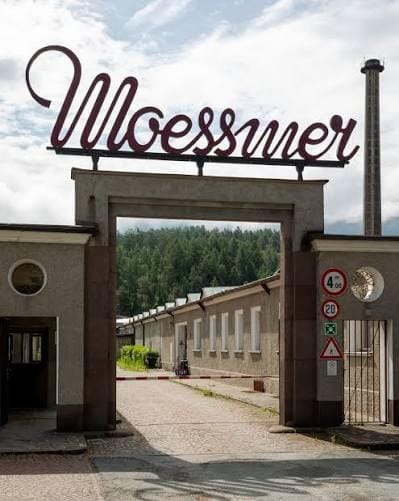
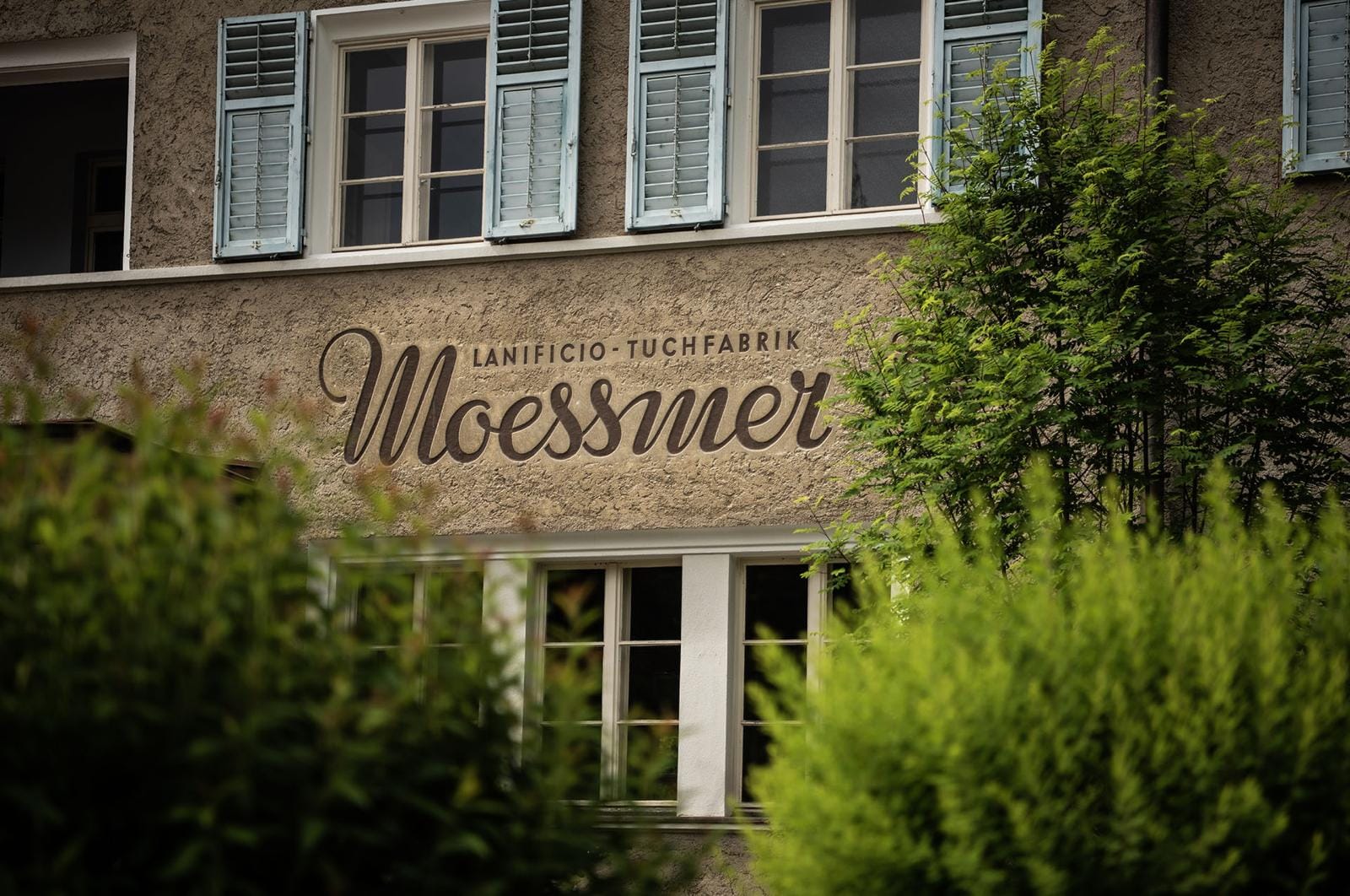
Loden was born in the Alps, as a fabric for work and walking, and finds one of its most authentic expressions in Moessmer, the historic Italian mill that has been transforming wool into a noble, resilient and timeless material for centuries. A dense, felted cloth, naturally protective, designed to face cold, wind and life outdoors. Hardly the stuff of London drawing rooms.
The green colour came later. It became iconic because it blends into forests and meadows, because it is practical, discreet, almost invisible. And that’s likely where the “British” misconception began: a sober, functional aesthetic that fashion eventually elevated into timeless elegance.
The famous Loden coat, now truly legendary, is just one of its many evolutions. But the real beauty of this fabric lies in its ability to change form while remaining true to itself. Today, Loden is living new stories, lighter, more ironic, more free.
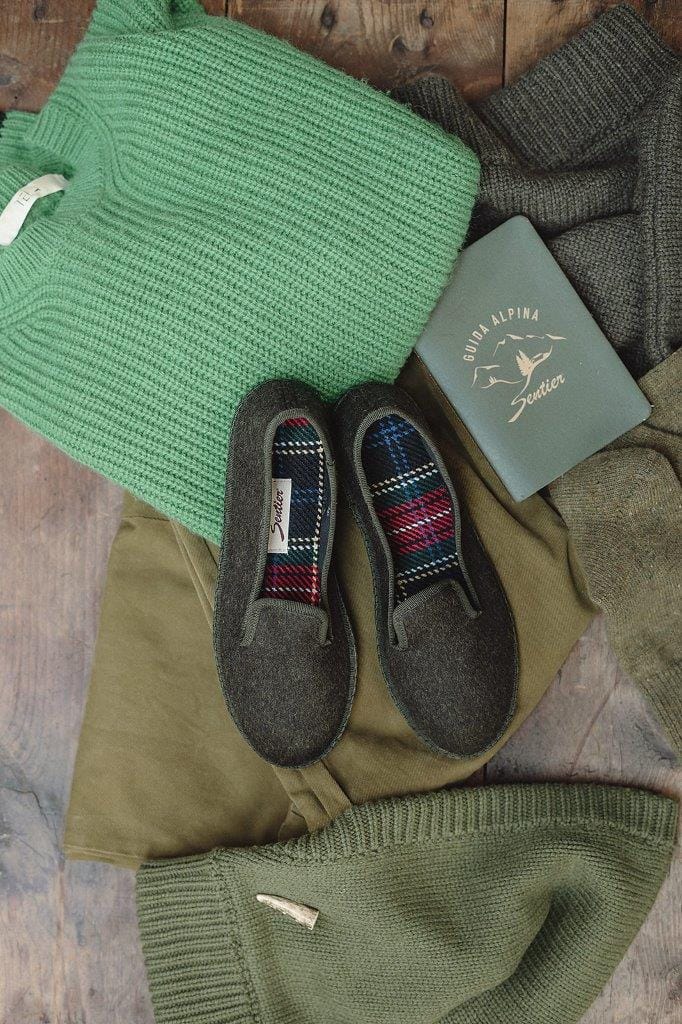
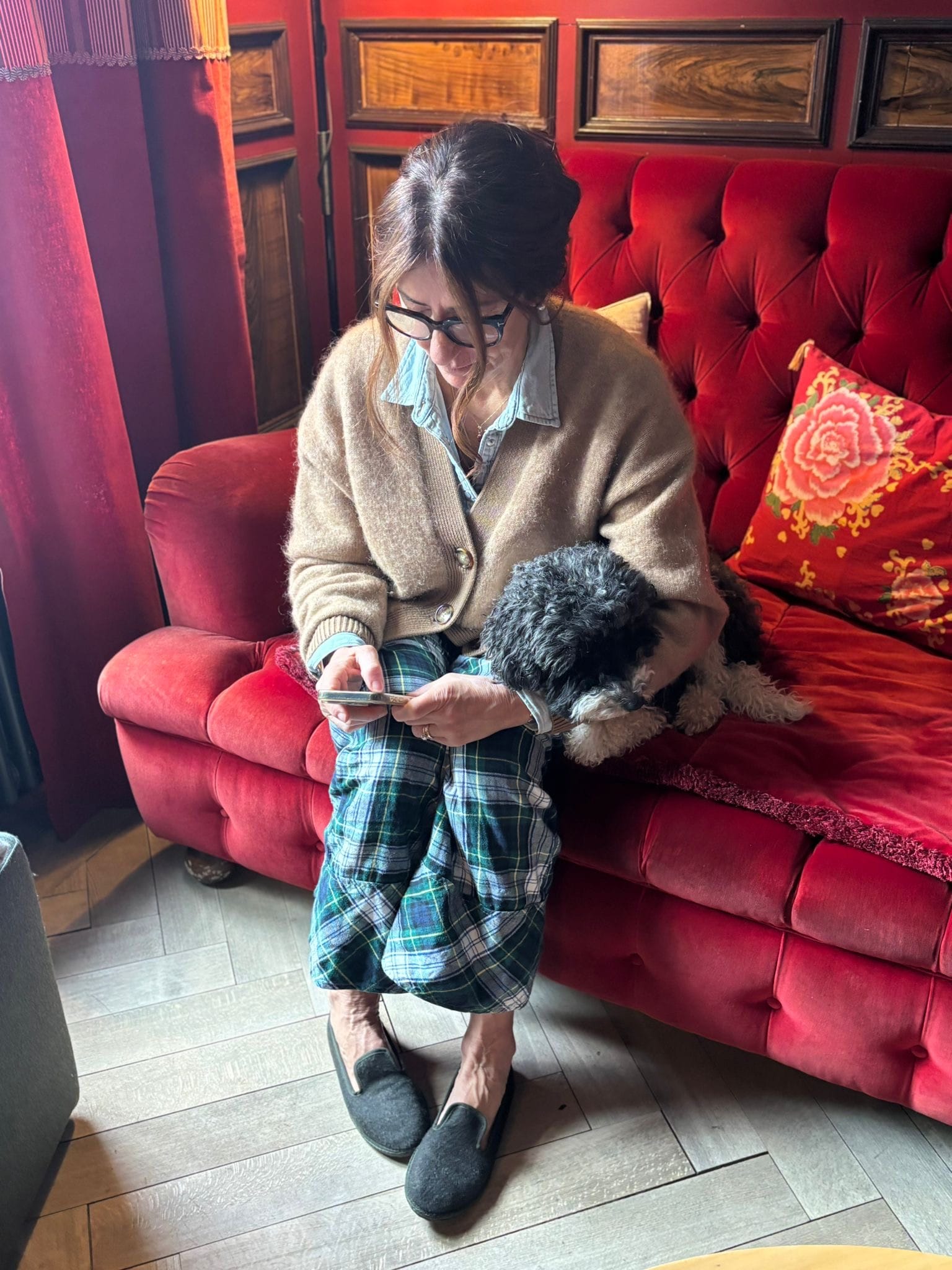
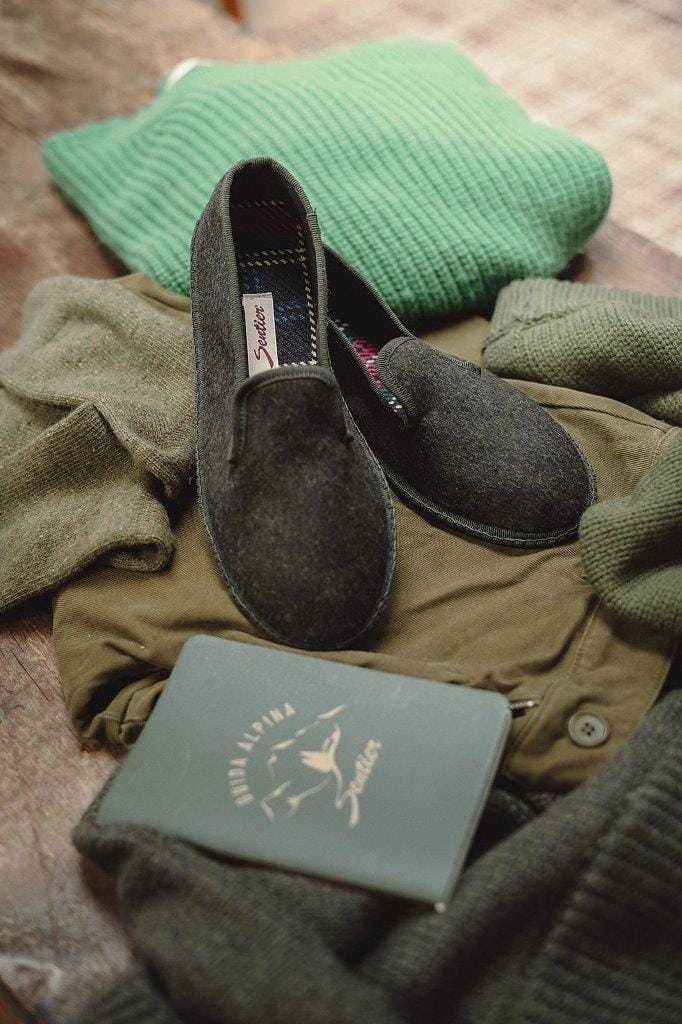
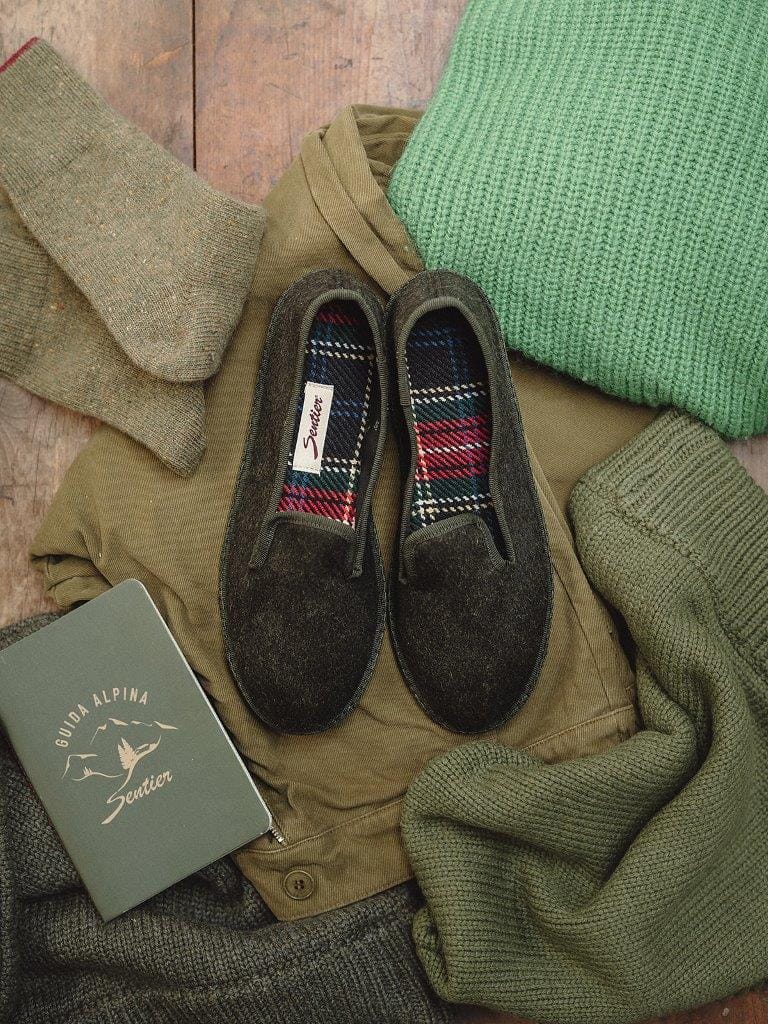
Like those of Sentier’s Loden friulane: shoes made for walking that take a mountain fabric and turn it into an everyday gesture of style. Soft, sturdy, unexpectedly chic. A happy meeting of Alpine tradition and Italian craftsmanship.
So, Loden doesn’t carry a British passport. It carries boots, trails, forests and working hands. And perhaps that’s exactly why, paradoxically, it always looks so elegant. Because when a material is born to last, fashion simply needs to listen.
And maybe, now and then, stop calling it “British.”